Kitesurfing for Beginners: Why the Wind and Waves Fascinate Adventurous Men

Kitesurfing for Beginners: Why the Wind and Waves Fascinate Adventurous Men
There’s something magnetic about the mix of wind, water, and speed. Kitesurfing brings these elements together in a thrilling experience where you use the wind as your engine and the sea as your playground. For many men with a taste for adventure and physical challenge, the sport has become a passion – a way to feel the raw power of nature while testing personal limits. But how do you get started, and what is it that makes kitesurfing so captivating?
A Sport of Freedom and Adrenaline
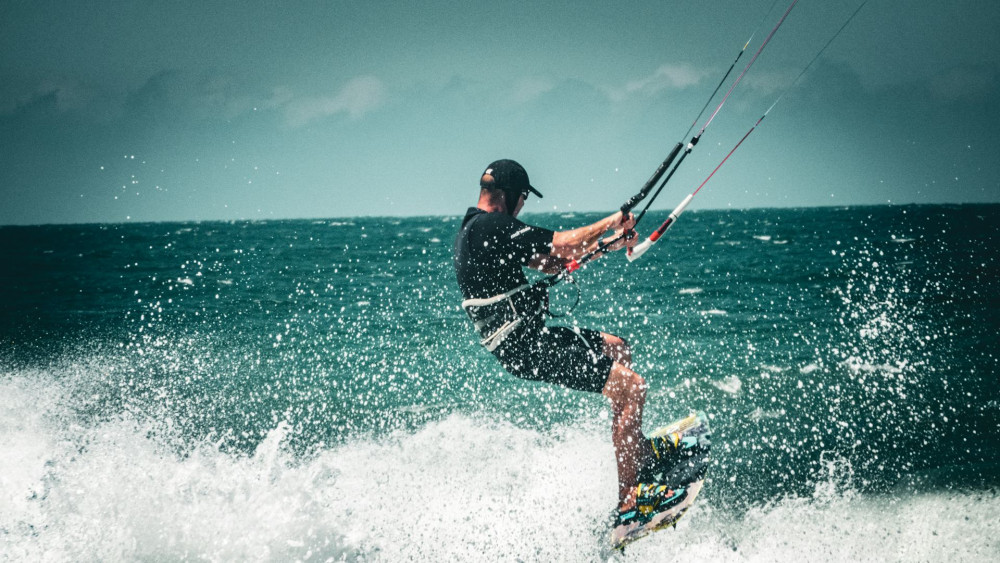
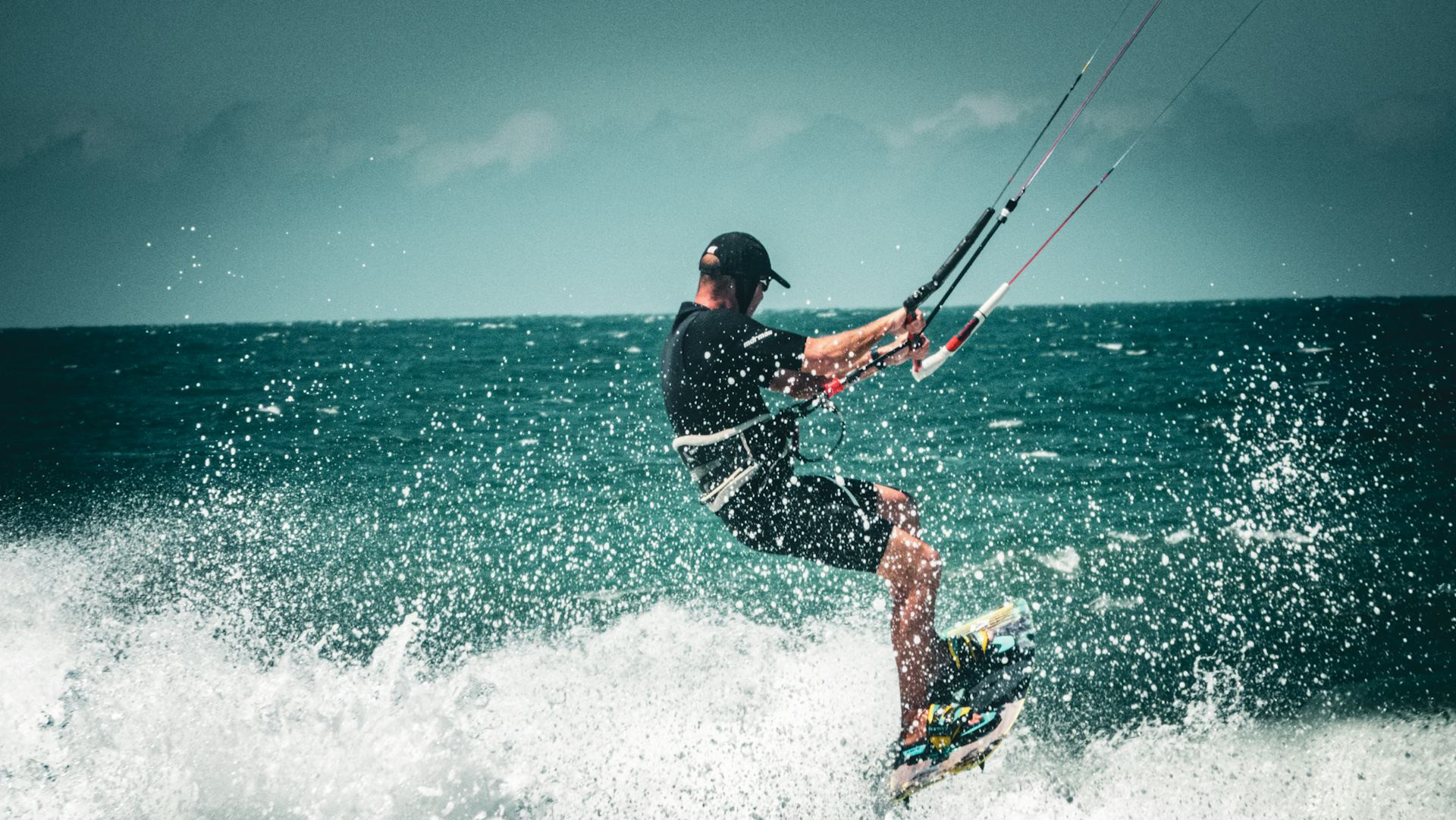
At its core, kitesurfing is about being pulled across the water by a large kite while standing on a board. It sounds simple, but it demands technique, balance, and respect for the elements. When everything clicks – when the wind fills your kite and you glide effortlessly over the waves – you experience a sense of freedom that few other sports can match.
For many men, it’s this combination of speed, control, and connection with nature that makes kitesurfing irresistible. It’s a physical challenge, but also a mental one: you must read the wind, feel the water, and react instinctively in an ever-changing environment.
How to Get Started
Although kitesurfing looks extreme, most people can learn it safely with proper instruction. The key is to start gradually and focus on safety.
- Take a lesson – A certified instructor will teach you about safety, wind directions, equipment, and technique. Most schools offer beginner courses lasting two or three days.
- Master kite control on land – Before heading into the water, you’ll learn to handle the kite safely. This is where you begin to understand how the wind behaves.
- Practise in shallow water – Once you can control the kite, you’ll combine it with the board. The first few metres on the water are unforgettable – and often a test of balance.
- Choose the right conditions – Beginners should start in light to moderate wind and flat, shallow water. Avoid strong winds and big waves until you gain experience.
Equipment: What You’ll Need
Kitesurfing requires some gear, but most of it can be rented while you’re learning. The essentials include:
- Kite – available in different sizes depending on wind strength and your weight.
- Board – usually a twin-tip board, similar to a wakeboard.
- Harness – distributes the kite’s pull so you don’t rely solely on arm strength.
- Wetsuit and buoyancy aid – keep you warm and safe in the water.
- Safety leash and quick-release system – allow you to detach from the kite quickly if needed.
Once you’ve gained confidence, you can invest in your own equipment, but renting first helps you find what suits you best.
Læs også:



Where to Kitesurf in the UK
The UK offers some of the best kitesurfing conditions in Europe, with a long coastline, consistent winds, and a variety of spots for all levels.
- Hayling Island, Hampshire – a classic spot with shallow water and reliable wind, perfect for beginners.
- Camber Sands, East Sussex – wide beaches and steady breezes make it ideal for learning.
- Rhosneigr, Anglesey – a favourite among both beginners and pros, with great waves and a friendly community.
- Westward Ho!, Devon – long sandy beaches and plenty of space to practise.
- Troon, Ayrshire – one of Scotland’s top kitesurfing destinations, with good wind and stunning views.
Always check local regulations and respect designated zones where kitesurfing may be restricted.
Safety and Respect for Nature
Kitesurfing is exhilarating, but safety should always come first. Wind and water conditions can change quickly, so preparation is essential.
- Always check the weather forecast before heading out.
- Never kitesurf alone – have at least one friend on the beach.
- Use proper safety gear and know how your quick-release system works.
- Keep a safe distance from swimmers, boats, and other surfers.
- Know your limits – if the conditions look too strong, wait for a calmer day.
Respecting the environment is just as important. Avoid damaging dunes or wildlife habitats, and take your rubbish home. Kitesurfing is about being part of nature, not leaving a mark on it.
Why the Sport Appeals to Adventurous Men
For many men, kitesurfing is more than a sport – it’s a lifestyle. It combines physical effort, technical skill, and a deep connection with the natural world. It satisfies the urge for freedom and challenge, offering both excitement and peace of mind.
There’s also a strong social side. Kitesurfers often gather on beaches, share tips, and help each other out. It’s a community where you can be both independent and part of a team.
And then there’s that moment when you lift off the water for the first time, suspended in the air with the wind in your hands – a brief, weightless instant that makes everything else fade away. That feeling keeps people coming back again and again.
A Sport That Keeps Giving
Kitesurfing is a sport you can enjoy for years. It challenges both body and mind, but the rewards are immense. You learn to understand the forces of nature, to trust your instincts, and to find joy in the moment.
So if you’re looking for a sport that blends adventure, nature, and freedom, kitesurfing might just be your next great passion. The wind is waiting – all you have to do is take the leap.
Læs også: