Materials That Ensure a Comfortable Indoor Climate

Materials That Ensure a Comfortable Indoor Climate
A comfortable indoor climate is about more than just temperature and ventilation – it’s also about the materials that surround us. Walls, floors, ceilings and furnishings all influence air quality, humidity and acoustics. By choosing the right materials, you can create a healthy and pleasant home environment that feels good to live in all year round. Here’s an overview of which materials contribute to a better indoor climate – and why they make a difference.
Natural materials create balance
Natural materials such as wood, clay, lime and wool have been used in construction for centuries – and for good reason. They are not only durable and attractive but also help regulate moisture and temperature naturally.
- Wood absorbs and releases moisture depending on the air’s humidity, helping to maintain a stable indoor climate. It also adds warmth and a natural feel to your home.
- Clay and lime plaster are breathable, allowing walls to “breathe” and reducing the risk of damp and mould.
- Wool and cork are excellent natural insulators that also help to reduce noise levels.
By choosing natural materials, you also avoid many of the chemical additives found in synthetic products, which can release harmful vapours over time.
Avoid materials that emit pollutants
Many modern building materials, paints and furnishings contain glues, varnishes or plastics that can emit volatile organic compounds (VOCs). These substances can cause headaches, eye and throat irritation, and may affect health in the long term.
When buying new materials, look for environmental certifications such as BRE Green Guide ratings, EU Ecolabel, or Blue Angel. These labels set limits on emissions and ensure that products meet strict health and environmental standards.
It’s also a good idea to air out your home thoroughly after painting, laying new flooring or bringing in new furniture. The first few weeks are when emissions are usually at their highest.
Læs også:
Flooring that supports a healthy home
Floors cover a large surface area and therefore have a big impact on indoor air quality. Wooden floors, linoleum and cork are all good choices because they are natural, durable and easy to clean.
- Solid wood flooring is long-lasting and can be sanded and refinished many times. Choose natural oils or waxes instead of solvent-based varnishes.
- Linoleum is made from linseed oil, resin and wood flour – a sustainable option that’s also antibacterial and comfortable underfoot.
- Cork is soft, warm and sound-absorbing, and it’s a renewable material harvested without cutting down trees.
Wall-to-wall carpets may feel cosy, but they can trap dust and allergens. If you prefer carpet, choose smaller rugs that can be cleaned regularly.
Walls and ceilings that breathe
The materials used for walls and ceilings play a key role in regulating humidity. Breathable materials such as clay plaster, limewash and natural gypsum allow moisture to pass through and evaporate rather than becoming trapped inside the structure.
If you’re painting, choose water-based paints with low or zero VOC content. Many modern paints are now formulated to be safer and more environmentally friendly, helping to keep the air in your home fresh and clean.
Insulation and ventilation working together
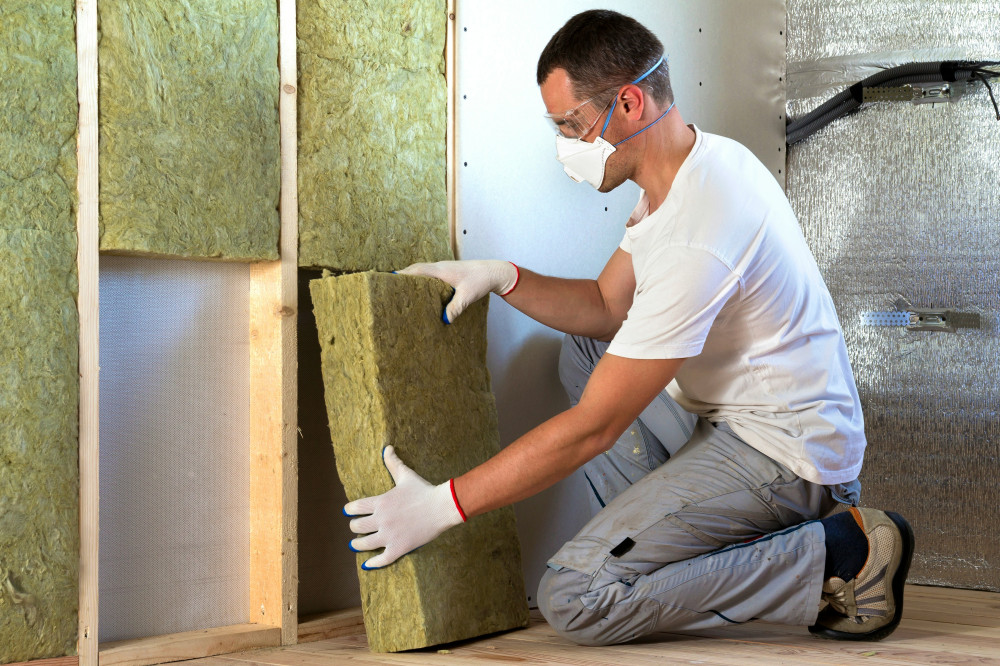
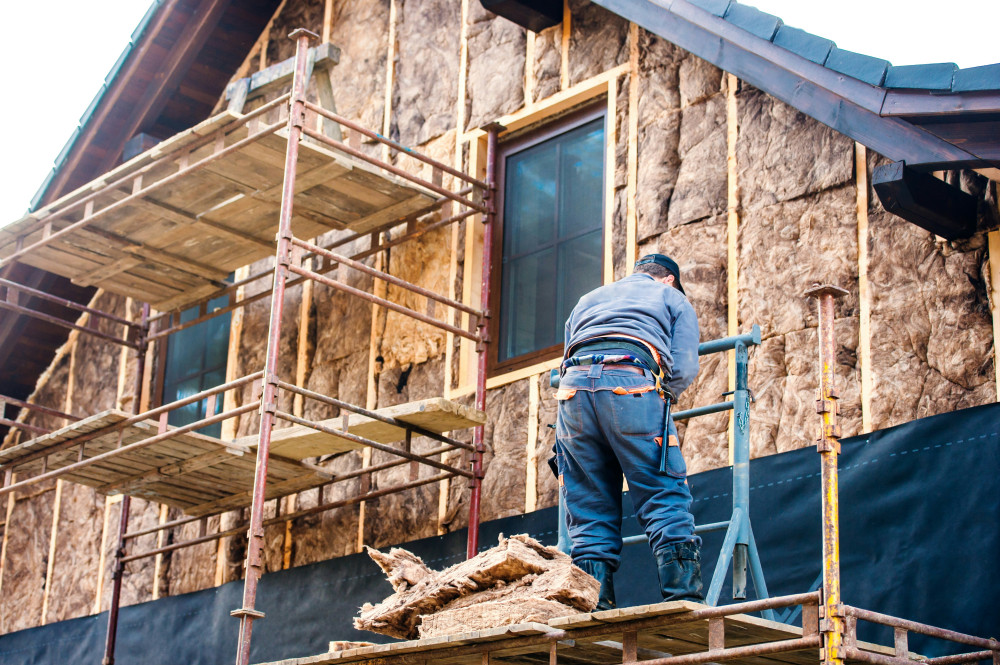
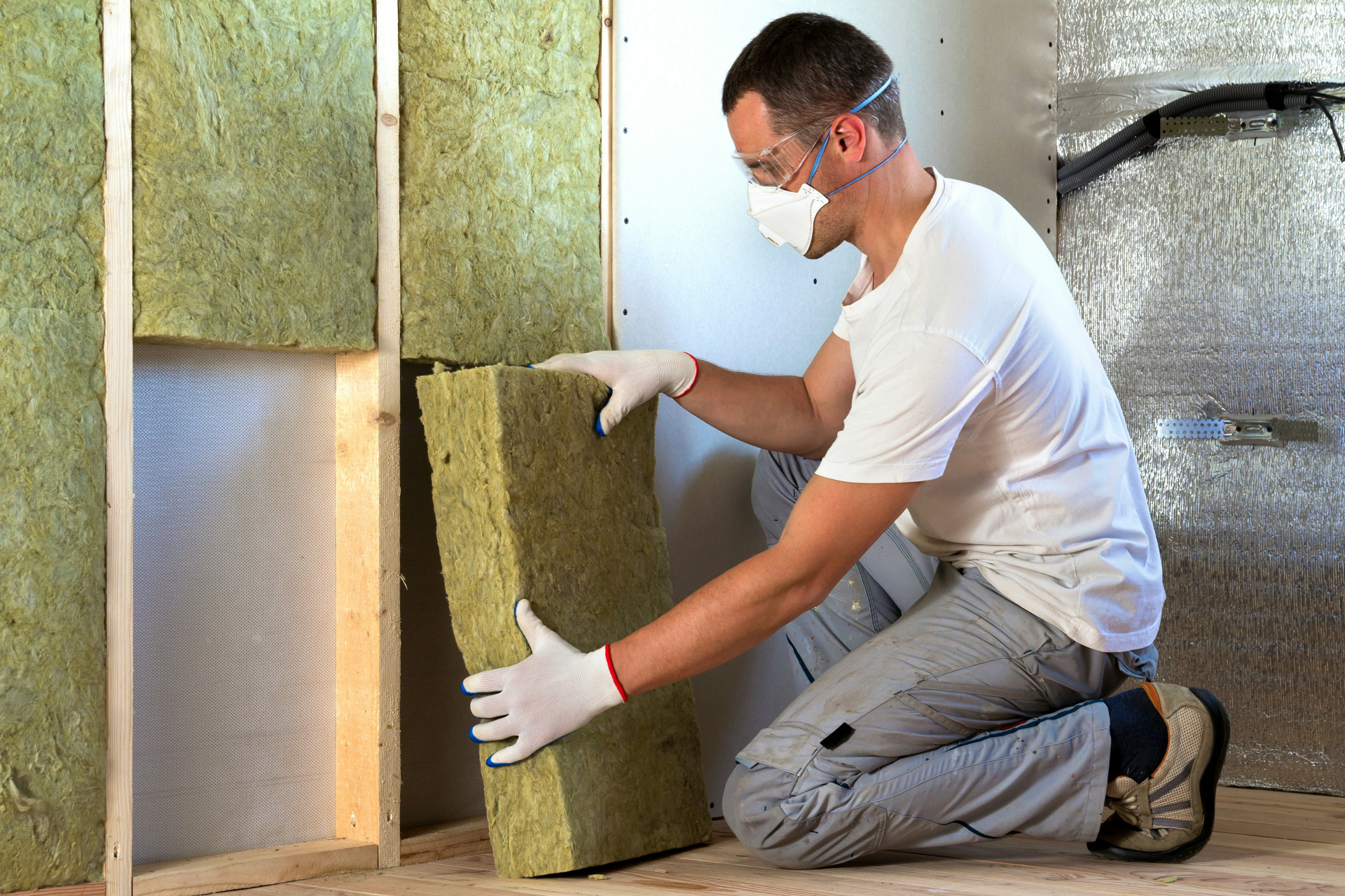
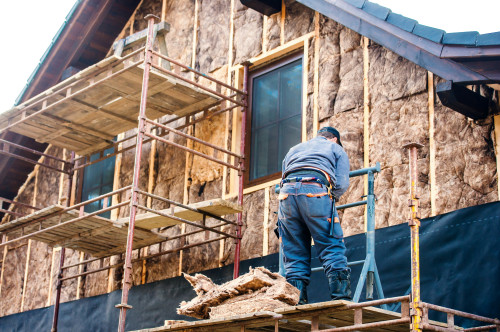
Even the best materials can’t create a healthy indoor climate on their own – they need to work in harmony with good ventilation. Natural insulation materials such as wood fibre, hemp and cellulose not only provide excellent thermal performance but also allow moisture to move through the structure. This helps prevent condensation and mould growth.
Combine these materials with a mechanical ventilation system with heat recovery (MVHR) to ensure a constant supply of fresh air without losing heat. This combination keeps your home comfortable and energy-efficient throughout the year.
Small choices, big impact
A healthy indoor climate also depends on the small everyday choices you make. Houseplants can improve air quality and create a calming atmosphere, but choose low-pollen varieties if you suffer from allergies. Avoid scented candles and air fresheners, and opt for fragrance-free cleaning products.
By paying attention to the materials in your home – from floor to ceiling – you’re investing not only in aesthetics but also in your wellbeing. A home that breathes and is free from unnecessary chemicals simply feels better to live in.
Læs også: