Set up a home office that supports your body and prevents tension

Set up a home office that supports your body and prevents tension
Working from home has become a normal part of life for many people in the UK. It offers flexibility and comfort, but it also means taking responsibility for how your workspace affects your body. A well-designed home office should not only look good and function well – it should also support your posture and help prevent tension in your neck, shoulders and back. Here’s how to create a workspace that keeps you comfortable and productive.
Start with the basics: your working posture
When you spend hours in front of a screen, your body needs the right support. A good posture is about balance – you should feel relaxed but still active.
- The chair: Choose an adjustable office chair that supports your lower back and allows you to change height, seat tilt and backrest angle. Your feet should rest flat on the floor, and your knees should be roughly at a 90-degree angle. A chair that allows gentle movement helps your body stay active throughout the day.
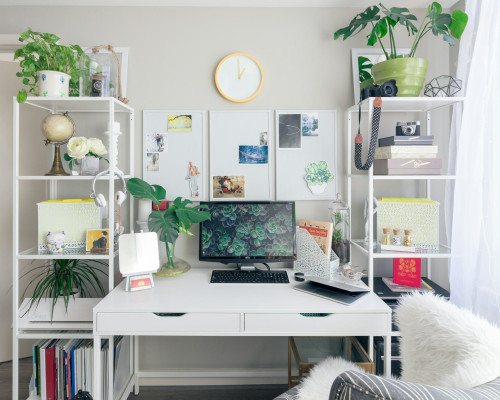
- The desk: The height of your desk should allow your shoulders to stay relaxed and your forearms to rest lightly on the surface. A sit-stand desk is a great investment, as it lets you alternate between sitting and standing.
- The screen: Position your monitor so that the top is at eye level and about an arm’s length away. This reduces strain on your neck and eyes.
Add movement to your day
Even the best chair can’t make up for sitting still too long. Your body needs regular movement to stay healthy and free from tension.
- Switch between sitting and standing several times a day.
- Take short breaks every 30–45 minutes – stretch, walk around the room, or roll your shoulders.
- Try using a balance cushion or standing mat to encourage small, natural movements.
It’s not about exercising while you work – it’s about keeping your body in gentle motion. Small movements make a big difference over time.
Light, air and sound – the often-forgotten factors
A healthy workspace is about more than furniture. Poor lighting, stuffy air and background noise can quickly lead to fatigue and headaches.
- Light: Make the most of natural daylight, but avoid glare on your screen. Combine it with a good adjustable desk lamp for darker days.
- Air: Fresh air boosts energy and concentration. Open a window regularly or use a small fan if the room feels stuffy.
- Sound: If you’re easily distracted, noise-cancelling headphones or soft furnishings like rugs and curtains can help absorb sound.
A calm, comfortable environment helps you focus and reduces physical and mental stress.
Design with both body and mind in mind
Your home office should be a place you enjoy spending time in. That means combining function with a sense of calm and personal style.
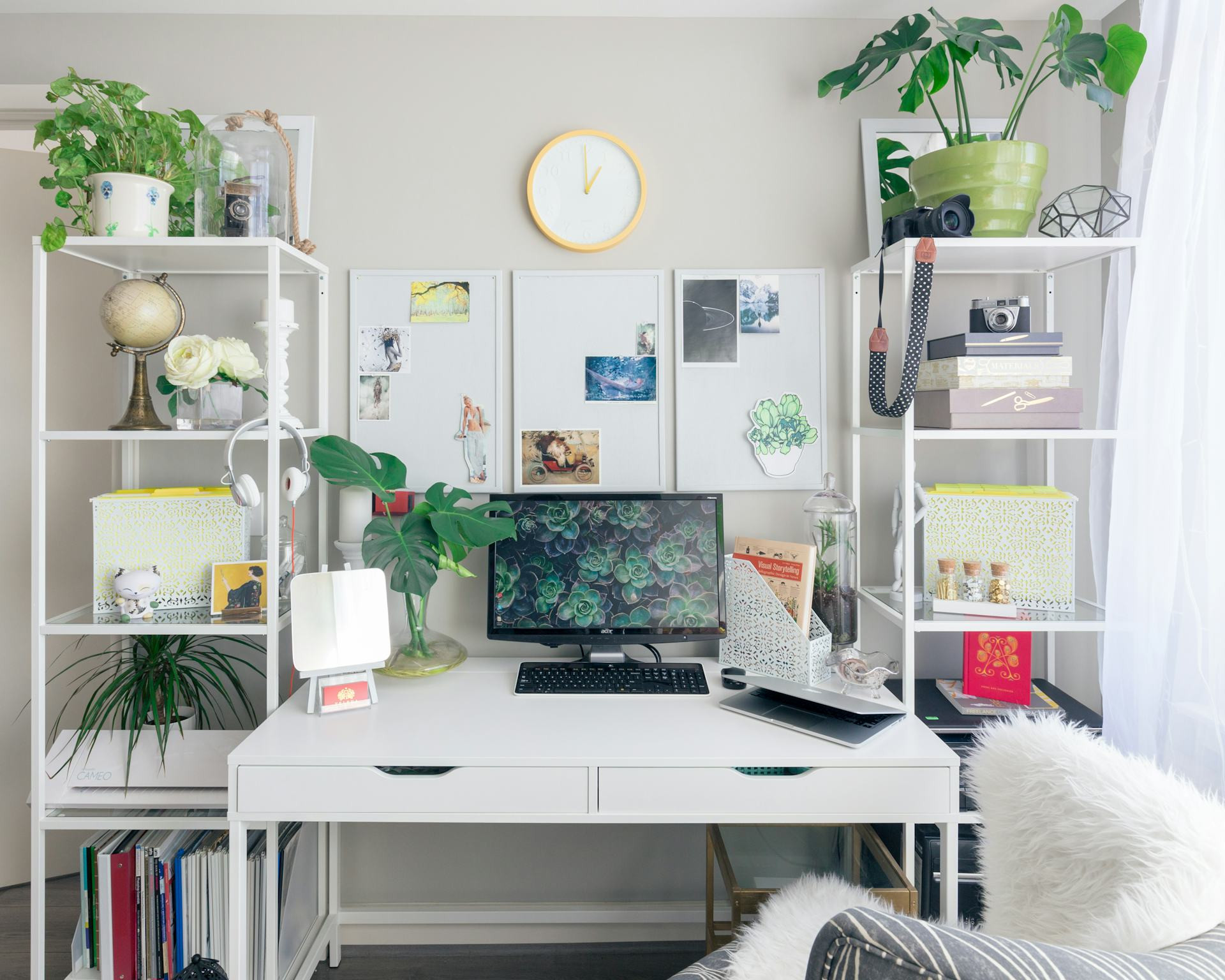
- Choose colours that promote focus and relaxation – soft blues, greens and neutrals work well.
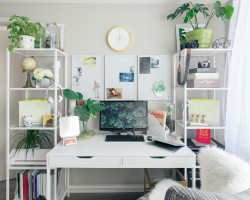
- Keep your desk tidy to avoid visual clutter.
- Add plants – they improve air quality and bring life to the space.
- Make sure you have enough storage to keep cables and papers organised.
When your surroundings feel pleasant, your body relaxes and your mind stays clear.
Læs også:

Small tools that make a big difference
There are many ergonomic accessories that can make your workday more comfortable:
- An external keyboard and mouse help you maintain a better posture than using a laptop alone.
- A monitor stand or laptop riser lifts your screen to the right height.
- A footrest can relieve pressure on your legs if your chair doesn’t adjust enough.
- Arm supports can reduce tension in your shoulders.
The key is to adapt your equipment to your body – not the other way around.
Make adjustment a habit
Even the best setup needs regular attention. Check your posture from time to time and see if anything can be improved. Your body changes, and your workspace should evolve with it.
A good rule of thumb: if you feel tension, move, adjust your chair, or change position. Small adjustments now can prevent bigger problems later.
A workspace that works for you
Your home office doesn’t have to look like a corporate office – it should fit your lifestyle. By focusing on ergonomics, light and wellbeing, you can create a space where you work efficiently and feel good in your body.
It’s not about spending a fortune on equipment, but about thinking holistically: how can I support my body while I work? The answer lies in balance – between comfort, movement and wellbeing.
Læs også: