Trousers That Fit Perfectly: How to Find the Right Fit for Men


Trousers That Fit Perfectly: How to Find the Right Fit for Men
A well-fitting pair of trousers can completely change how you look and feel. Yet many men still wear trousers that pinch in the wrong places or sag where they shouldn’t. The right fit isn’t just about size – it’s about body shape, cut, and fabric. Here’s a guide to finding trousers that fit perfectly, whether you’re after jeans, chinos, or tailored trousers.
Know Your Body Shape
Before you start trying on trousers, it helps to understand your body shape. This makes it easier to choose cuts that complement your build.
- Athletic build: If you have broad shoulders and narrow hips, go for straight or slightly tapered fits. They balance your proportions and create a clean silhouette.
- Slim build: Slim or straight fits work best, following your natural lines without looking too tight.
- Broad build: Regular fits with a bit of stretch are ideal. Avoid overly narrow legs, which can make your frame look unbalanced.
- Tall or short: Taller men can wear lower-rise trousers and longer leg lengths, while shorter men often look better in trousers that sit slightly higher on the waist and have a slimmer leg.
Knowing your shape helps you navigate the many fits available on the high street.
Understand the Common Fits
When shopping, you’ll often see terms like slim fit, regular fit, and relaxed fit. These describe how the trousers sit around your hips, thighs, and legs.
- Slim fit: Close-fitting but not tight. Offers a modern, sharp look – great for jeans and chinos.
- Regular fit: A classic straight cut that’s comfortable and versatile, suiting most body types.
- Relaxed fit: Looser around the hips and thighs, perfect for casual wear or for men who prefer extra room.
- Tapered fit: Roomy at the top but narrower towards the ankle – a good balance between comfort and style.
It’s worth trying on a few different fits, as sizing and proportions can vary between brands.
Waist, Leg Length, and Proportions
Even the best cut won’t look right if the waist or leg length is off. Many men wear trousers that sit too low or too high.
- Waist: Trousers should stay up without a belt but not feel tight. If you see creases around the hips, they’re too small; if they slip down, they’re too big.
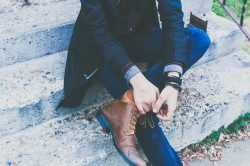
- Leg length: Too short, and your legs look stumpy; too long, and the fabric bunches up. A slight break at the shoe is usually ideal.
- Proportions: Check that pockets lie flat and seams follow your body’s lines. This gives a neater, more tailored appearance.
A good tip is to visit a local tailor. A small adjustment to the waist or hem can make a huge difference.
Fabric and Comfort
Fit isn’t just about shape – fabric matters too. The texture and stretch of the material affect how trousers feel and move.
- Cotton: Breathable and classic, perfect for chinos and everyday wear.
- Denim: Available in various weights and with different levels of stretch. A touch of elastane (1–2%) adds comfort and flexibility.
- Wool and wool blends: Common in formal trousers, they drape well and hold their shape.
- Technical fabrics: Great for travel or casual wear, offering stretch, water resistance, and temperature control.
Choose fabric based on how and where you’ll wear the trousers – office, weekend, or evening out.
Læs også:


Style and Occasion
Once the fit is right, think about style. The best trousers are those that work with the rest of your wardrobe.
- Jeans: A dark indigo pair in slim or straight fit is a timeless choice that works for both casual and smart-casual occasions.
- Chinos: Offer a relaxed yet polished look. Available in many colours, they pair well with shirts, polos, or knitwear.
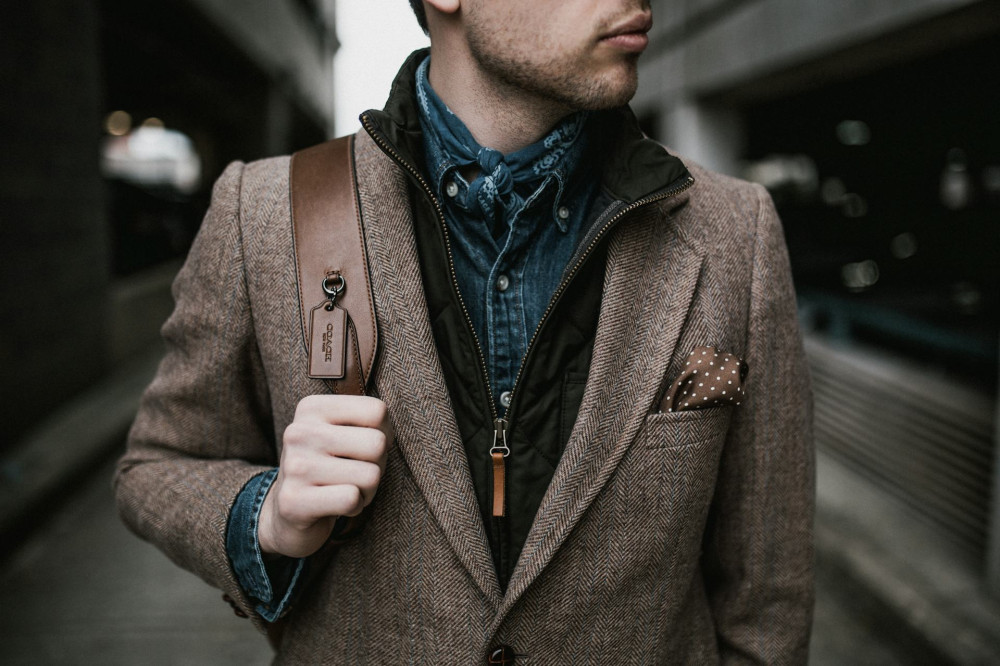
- Tailored trousers: Should fit precisely at the waist and length. Pair with a blazer or crisp shirt for a refined, classic look.
The key is to feel comfortable and confident. Well-fitting trousers help you stand taller and move more naturally.
How to Try Trousers Properly
When trying on trousers, take your time. Walk around, sit down, and see how they feel in motion. Check yourself from the side and back – that’s often where fit issues show up.
Try multiple sizes of the same style. The difference between two sizes can be subtle but crucial for comfort. And remember: it’s better to have trousers adjusted than to settle for a poor fit.
The Perfect Fit Is Personal
There’s no single “right” fit for everyone. The goal is to find the balance between comfort and style that suits you. Once you discover the brands and cuts that work for your body, building a wardrobe that looks sharp and feels great becomes much easier.
A pair of trousers that fit perfectly isn’t just clothing – it’s the foundation of a confident, well-dressed look.
Læs også: