From Steel Tank to Oak Barrel: How Wine Matures and Develops Its Flavour

From Steel Tank to Oak Barrel: How Wine Matures and Develops Its Flavour
By the time a wine is bottled, it has already travelled a long way – from grape to juice, from fermentation to maturation. Yet it is during the ageing process that a wine’s true character takes shape. This is when aromas, texture and complexity evolve, turning a simple young wine into something layered and expressive. In this article, we explore how wine matures – and how the choice between stainless steel and oak barrels shapes its flavour.
From Fermentation to Maturation – The Wine’s Quiet Transformation
Once fermentation is complete, the winemaker is left with a young wine that can be sharp or unbalanced. It needs time to settle. During maturation, a series of chemical and physical changes occur: tannins soften, acidity integrates, and aromas develop. This is where the wine’s personality is defined.
Ageing can take place in a variety of vessels – from neutral stainless-steel tanks to small oak barrels. The choice depends on the grape variety, the style of wine, and the expression the winemaker wants to achieve.
Læs også:
The Stainless-Steel Tank – Purity and Freshness Preserved
Stainless steel has become a cornerstone of modern winemaking, particularly for white and rosé wines. These tanks are airtight, easy to clean, and impart no flavour to the wine. This allows the natural fruit and floral notes to shine, resulting in a crisp, pure expression of the grape.
Temperature control is another key advantage. By keeping fermentation and maturation cool, winemakers can preserve delicate aromas and prevent oxidation. Many wines designed to be enjoyed young – such as Sauvignon Blanc, Pinot Grigio or English Bacchus – are matured exclusively in steel to maintain their bright, zesty freshness.
The Oak Barrel – Depth, Structure and Complexity
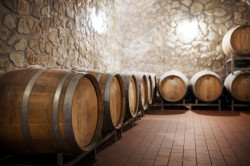
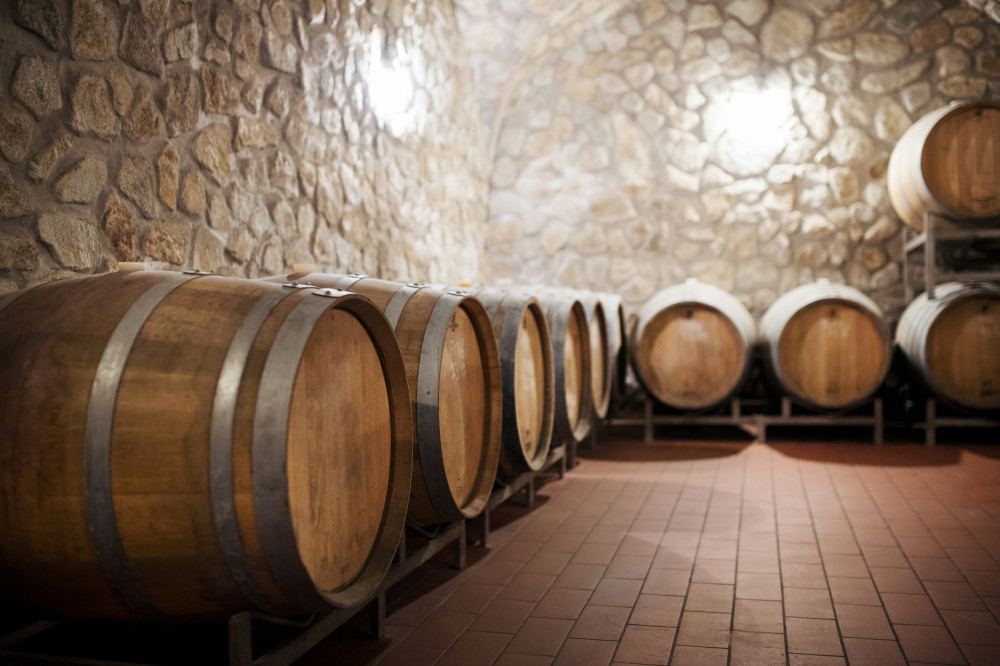
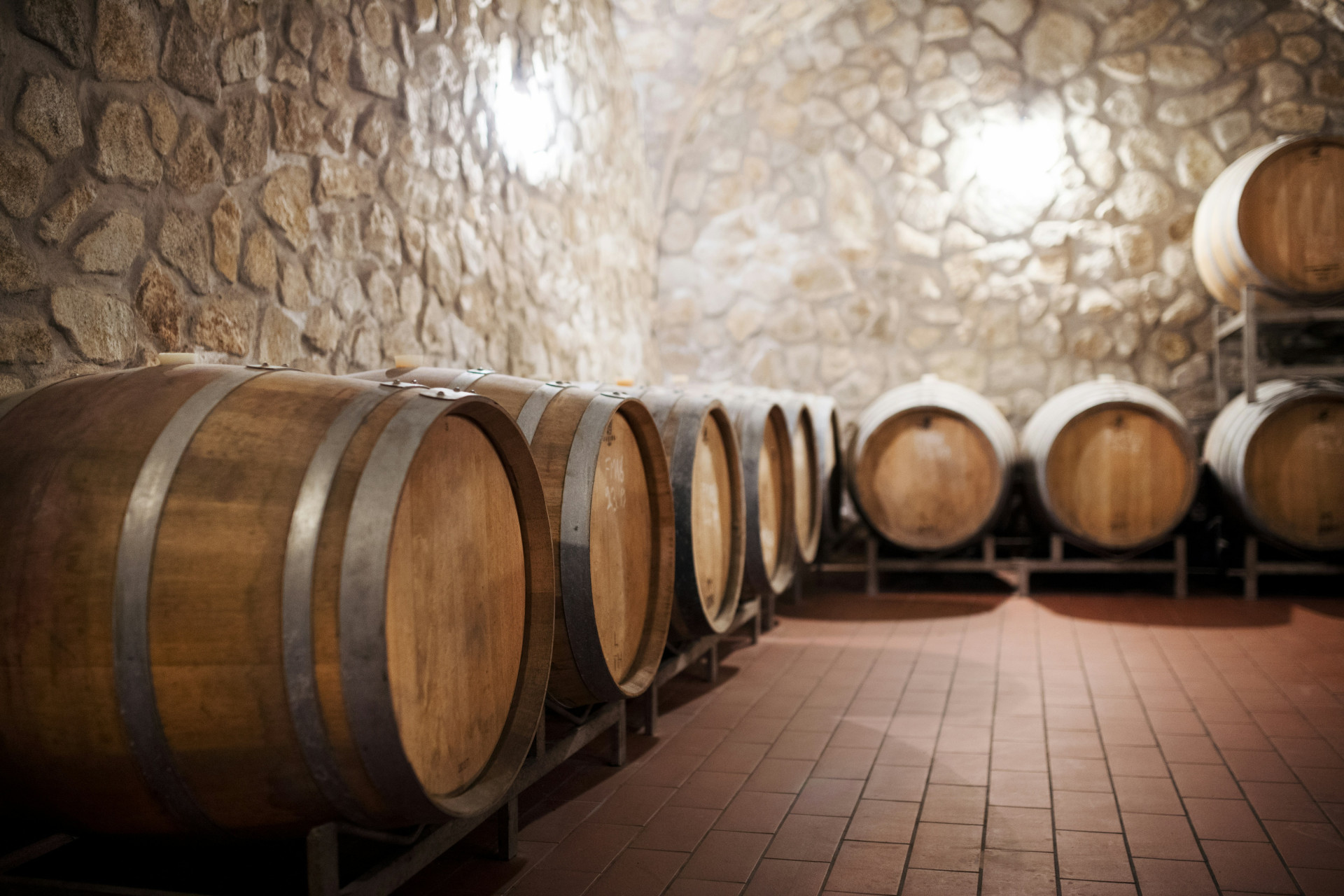
Ageing wine in oak barrels produces a very different result. The wood allows a tiny amount of oxygen to interact with the wine, gradually softening tannins and rounding out the texture. At the same time, the oak contributes its own flavours – hints of vanilla, spice, toast or smoke – adding layers of complexity.
Barrels come in many sizes, from small 225-litre barriques to large foudres holding several thousand litres. The smaller the barrel, the greater the contact between wine and wood, and the more pronounced the oak influence. The origin of the oak also matters: French oak tends to give subtle, spicy notes, while American oak often imparts sweeter tones of coconut and vanilla.
Combining Steel and Oak – The Art of Balance
Many winemakers choose to blend the two approaches, using both steel and oak to achieve balance between freshness and richness. Part of the wine may mature in steel to preserve fruit character, while another portion rests in oak to gain structure and depth. The two components are then blended to create harmony.
This technique is common in Chardonnay production, where the winemaker can fine-tune the style – from crisp and mineral to creamy and buttery. It is also used for many red wines, including Rioja, Bordeaux and premium English Pinot Noir, where careful ageing in oak and bottle refines the final expression.
Bottle Ageing – The Final Touch
Even after bottling, wine continues to evolve. During bottle ageing, flavours integrate and aromas become more complex. Fresh fruit notes can develop into hints of dried fruit, nuts, leather or tobacco, depending on the wine’s type and age.
Not all wines improve with time, but those built for ageing can develop beautifully over years or even decades. Proper storage is essential – in a cool, dark place with a stable temperature and minimal vibration.
The Taste of Time and Craftsmanship
Maturation is ultimately a matter of patience and precision. Every decision – from the choice of vessel to the length of ageing – shapes the final wine. A wine matured in steel will taste clean and vibrant, while one aged in oak will show warmth, depth and complexity.
For wine lovers, this diversity is part of the magic. Each bottle tells its own story – of grapes, climate, craftsmanship and the quiet passage of time that transforms simple juice into something truly memorable.
Læs også: