The Distinctive Character of Wine Regions: Traditions, Grapes and Local Methods

The Distinctive Character of Wine Regions: Traditions, Grapes and Local Methods
Wine is never just wine. Behind every bottle lies a landscape, a climate and a culture that together shape its flavour and identity. From the sun-drenched hills of southern Europe to the cool valleys of northern vineyards, each region has its own traditions, grape varieties and methods that give its wines a unique character. This article explores how local conditions and craftsmanship create diversity in the world of wine.
Climate and Soil – The Foundation of Wine
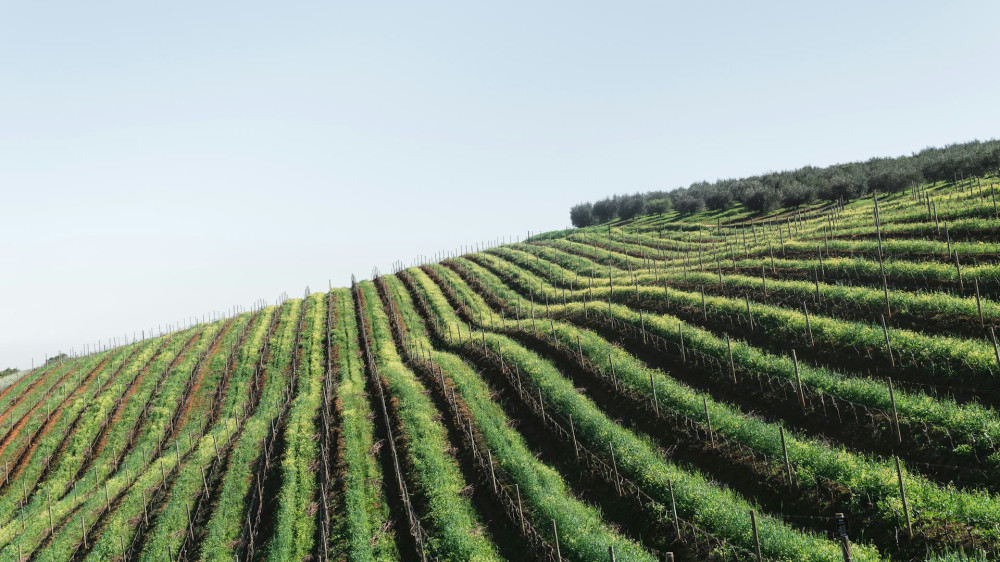
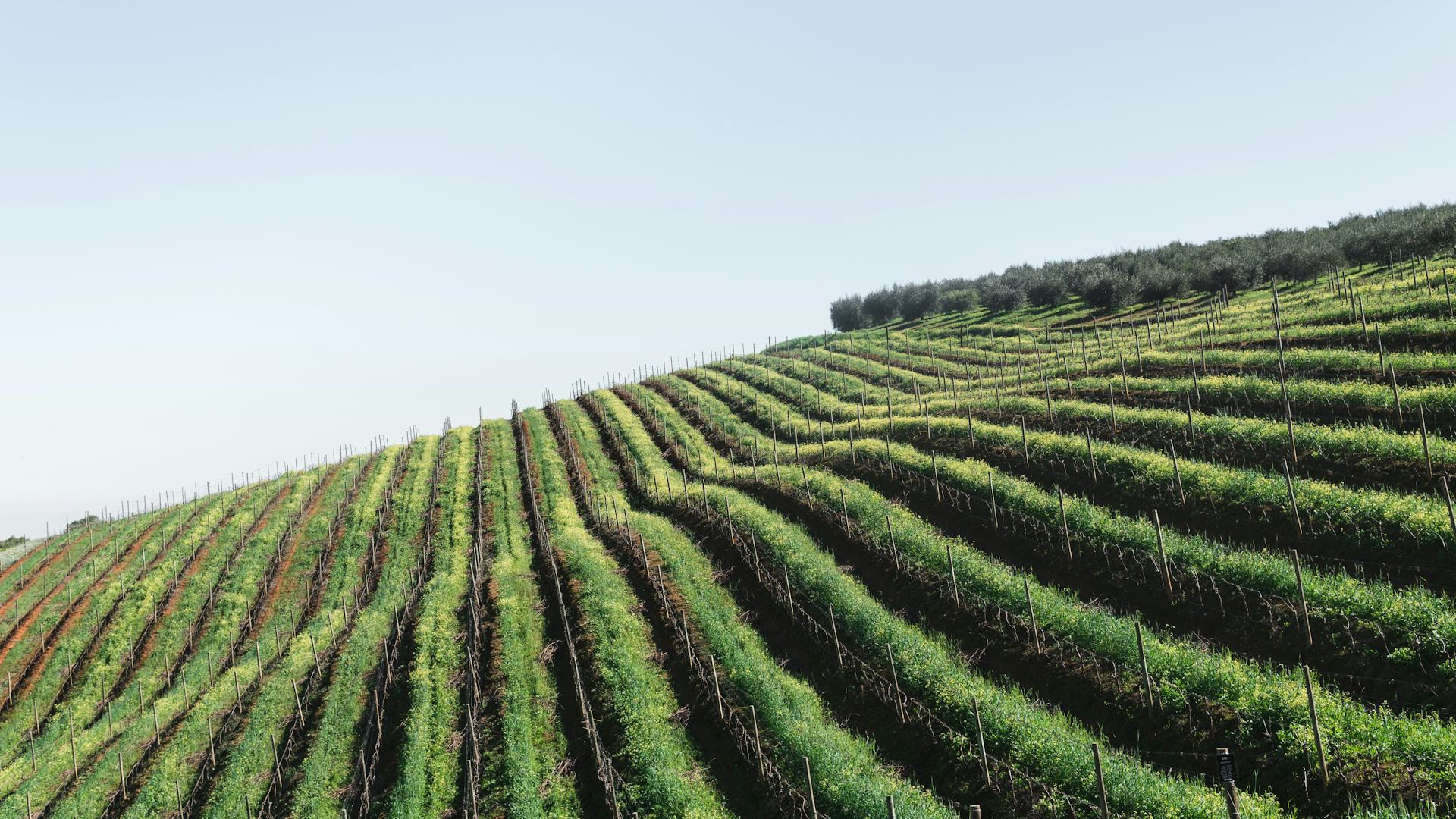
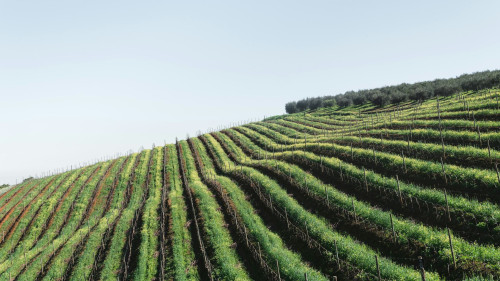
A wine’s individuality begins in the ground. The combination of climate, soil type and topography – what the French call terroir – plays a decisive role in how grapes develop.
In warmer regions such as southern Spain or Sicily, grapes ripen quickly and accumulate more sugar, resulting in fuller-bodied, higher-alcohol wines. In cooler climates like Burgundy or the Mosel Valley, ripening is slower, producing wines with higher acidity, elegance and aromatic complexity.
Soil composition also leaves its mark: limestone often lends freshness and minerality, while clay soils encourage richness and structure. Even subtle variations in the subsoil can be tasted in the glass.
Traditions Passed Through Generations
In many wine regions, production methods are deeply rooted in local tradition, refined over centuries. In Bordeaux, blending several grape varieties has long been the key to achieving balance between power and finesse. In Portugal’s Douro Valley, old mixed plantings – where different grape varieties grow side by side and are harvested together – create wines of remarkable depth and complexity.
In Germany and Austria, precise classification systems reflect grape ripeness and style, while in Georgia, one of the world’s oldest wine-producing countries, winemakers still ferment wine in large clay vessels called qvevri, buried underground – a practice dating back more than 8,000 years.
Læs også:


The Grapes – The Soul of the Wine
Each grape variety has its own personality, yet it expresses itself differently depending on where it is grown. Pinot Noir from Burgundy is known for its delicate elegance, while the same grape in New Zealand produces a more vibrant, fruit-driven style.
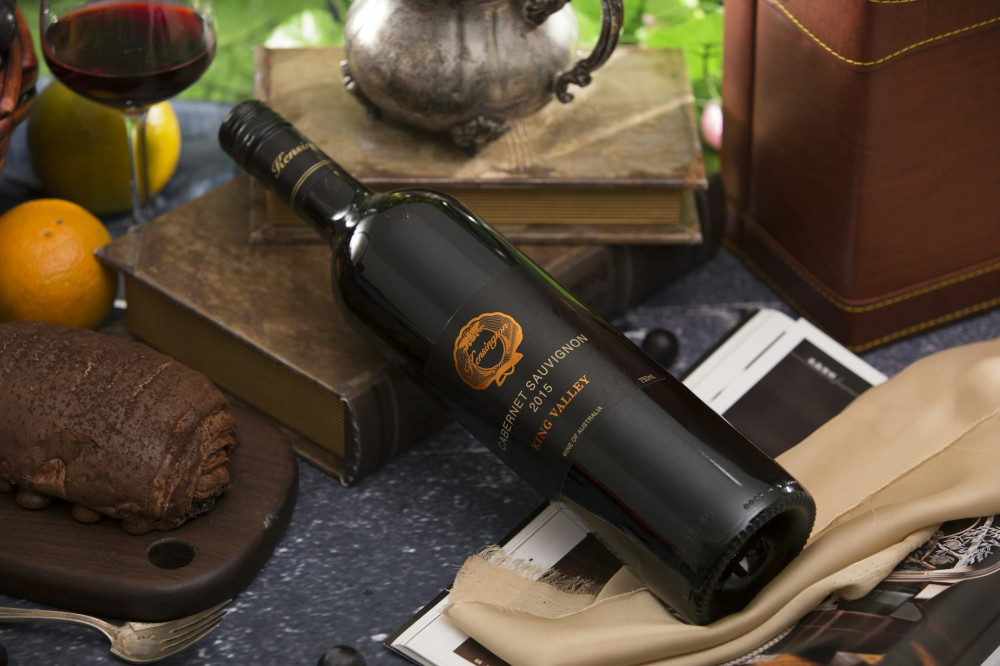
Cabernet Sauvignon thrives in many climates: in Bordeaux it shows structure and ageing potential, while in California’s Napa Valley it becomes rounder and more opulent. Indigenous varieties such as Spain’s Tempranillo, Italy’s Nebbiolo or Greece’s Assyrtiko demonstrate how a wine’s identity is often inseparable from its place of origin.
Local Methods and Modern Innovation
While tradition remains strong, the wine world is constantly evolving. Many producers combine time-honoured techniques with modern technology to preserve authenticity while improving quality.
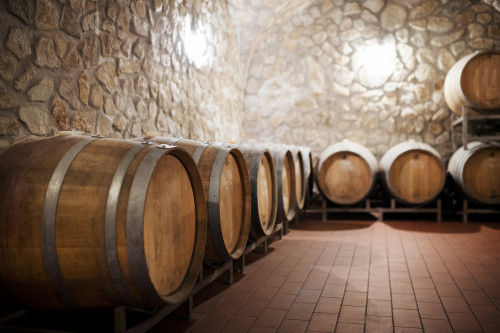
In Champagne, the méthode traditionnelle – where the second fermentation takes place in the bottle – has been perfected over centuries to create the region’s signature sparkling wines. In Tuscany, winemakers are reviving forgotten grape varieties and embracing organic and biodynamic farming.
In newer wine-producing countries such as Chile, South Africa and Australia, winemakers focus on sustainability, precision viticulture and minimal intervention in the cellar, allowing nature to speak through the wine.
Wine as Culture and Identity
Wine is more than a beverage – it is part of a region’s culture and sense of self. In many villages, the harvest marks the highlight of the year, celebrated with festivals that bring together locals and visitors alike.
To understand a wine region is therefore not only to know its grapes, but also its people. Their choices in cultivation, their respect for the land and their interpretation of tradition all shape the wine’s expression.
A Journey Through Taste and History
When you open a bottle of wine, you also open a story about a place. Each sip carries traces of climate, soil and craftsmanship – and of the people who have tended the vines for generations.
Exploring the distinctive character of wine regions is not just a matter of taste, but a journey through history, geography and culture. This is where the magic of wine lies: in the meeting between nature’s conditions and humanity’s ability to transform grapes into something that tells a story.
Læs også: